Rooster Watercolor Set: A Designer’s Honest Review
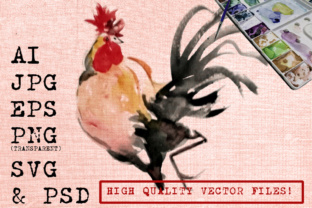
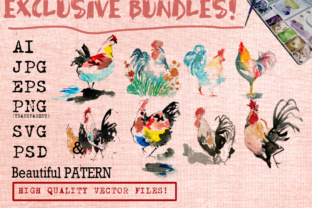
When I first opened the Rooster Watercolor Set, I immediately felt that warm, countryside-meets-art-studio mood that so many crafters and handmade shop owners chase. The collection includes eight distinct rooster images, each rendered with a soft watercolor texture that feels painterly and organic rather than stiff or overly polished. From a design perspective, this is the kind of artwork that whispers farmhouse kitchen, rustic boutique, and thoughtful handmade gift all at once. The roosters have personality without being cartoonish, which is a balance I rarely see done well in this category.
As someone who evaluates Illustrations and Graphics for real-world project use, I pay close attention to how a design will actually behave once it leaves the screen and hits fabric, thread, and finishing processes. The watercolor effect is what makes this set stand out. The edges are soft, the color transitions are gentle, and the overall silhouette of each rooster holds enough visual weight to anchor a product without overwhelming the surrounding space. That is a huge plus for anyone planning to use these on apparel, home goods, or personalized gifts.
First Impressions and the Mood It Creates
What struck me first was the versatility baked into the eight designs. Some roosters are more detailed and ornate, while others lean simpler and bolder. This range means you can pick a design that fits a delicate baby item just as easily as you can grab one that pops on a sturdy canvas tote. The watercolor style gives everything a slightly vintage, heirloom feel, which is perfect for the kind of handmade products that sell well at craft fairs and on Etsy. I could immediately picture a finished tote bag with one of the larger roosters stitched across the front, carrying just enough artistic flair to make someone stop and ask where it came from.
The mood overall is warm, approachable, and gently rustic. It does not feel like a loud farm graphic or a generic clip-art rooster. The watercolor texture adds depth, which translates beautifully into embroidery if you handle the digitizing and stitch choices thoughtfully. Since this is a Graphics set rather than a ready-to-stitch embroidery file, you will need to digitize the artwork yourself or work with a digitizer who understands how to preserve that painterly quality. That said, the visual foundation is strong enough to be worth the extra step.
Where This Design Naturally Belongs
If I were planning a product line around the Rooster Watercolor Set, I would immediately think of kitchen textiles, boutique apparel, and personalized home decor. Tea towels are a no-brainer. A single rooster stitched near the corner of a flour-sack towel, paired with a simple border or a few subtle wheat sprigs, would look like something from a high-end farmhouse catalog. Aprons are another obvious fit, especially the kind sold in small artisan shops or given as wedding gifts with the couple's name added underneath.
Beyond the kitchen, I see strong potential for custom apparel like sweatshirts and t-shirts. The watercolor aesthetic softens the rooster motif enough that it does not feel overly themed or masculine, which broadens the customer base. A lightweight sweatshirt with one of the more detailed roosters positioned off-center on the chest, stitched in muted thread tones, would appeal to women who love modern rustic style. I also think of children's products, especially nursery pillows and baby blankets, where the gentler rooster designs could sit alongside floral or botanical elements for a sweet, storybook look.
For small business merchandise, the set offers enough variety to create a cohesive collection without repeating the exact same graphic. You could use one rooster on a tote bag, another on a zipper pouch, and a third on a cap, and the product line would still feel intentionally designed. That kind of visual consistency builds brand trust and makes your shop look polished and professional.
Real Stitching Considerations
Let me walk through a realistic scenario. Say you are preparing a set of embroidered kitchen towels for a holiday market or an Etsy holiday drop. You select one of the mid-size roosters from the set, digitize it with a mix of satin stitch for the outline and fill stitch for the body, and plan to stitch it on a natural linen-cotton blend towel. The watercolor texture of the original artwork means you will need to make some decisions about how to interpret the soft edges and color gradients. A straight satin-stitch conversion might lose the painterly feel, so you might opt for a lightly textured fill with varied thread tones or a subtle running-stitch overlay to mimic the brushstrokes.
This is where testing becomes essential. I always recommend stitching a sample on scrap fabric that matches your final product as closely as possible. Linen and cotton blends absorb stitches differently than fleece or canvas, and the thread tension that looks perfect on a flat cotton weave might pull or pucker on a textured surface. With the Rooster Watercolor Set, the level of detail in the feathers and tail plumage will be the first thing to check. If the design has very fine, wispy strokes in the original illustration, those may need to be simplified or thickened during digitizing to avoid thread breaks or loss of clarity at smaller sizes.
Fabric and Surface Challenges
Stretchy fabrics like t-shirt cotton or baby onesie material require extra care. A stabilizer that provides enough support without making the finished product stiff is key. For the more detailed roosters, I would lean toward a cut-away stabilizer on apparel, and a tear-away on woven items like towels or pillow covers. Dark fabrics present another layer of consideration. The watercolor look often relies on light, transparent washes of color, which may not translate well onto black or navy backgrounds without adjusting the thread palette. I would test the design on both light and dark fabric swatches to see how the mood shifts. On a creamy natural linen, the rooster feels soft and vintage. On a dark charcoal canvas, you might lose some of the subtlety unless you bump up the contrast in the thread choices.
Hoop Size and Placement
Since the product description does not specify exact dimensions, you will need to check the file sizes before committing to a project. For standard home embroidery machines, a four-by-four inch hoop is common, but some of the more detailed roosters in this set might need a larger hoop to preserve readability. If you are working with a smaller hoop, consider using the simpler rooster designs rather than scaling down a complex one, because reduction can muddy the details. Placement on curved surfaces like caps or hats is another area where I would proceed with caution. The rooster's elongated shape and tail feathers could get distorted on the curved crown of a baseball cap. A patch application might be a smarter route for headwear, letting you stitch the design flat and then attach it cleanly.
Customer Perception and Product Value
From a selling perspective, the Rooster Watercolor Set has a lot going for it. Roosters carry strong symbolic meaning in many cultures, representing morning, awakening, and good fortune, which makes them popular for housewarming gifts, kitchen decor, and even wedding presents. The watercolor treatment softens the symbolism into something that feels artistic rather than strictly thematic. A customer shopping for a personalized gift is more likely to pick up a towel or pillow with this kind of design because it looks like a small piece of art, not a mass-produced motif.
For Etsy sellers and small shop owners, the ability to use these illustrations across multiple product types is a real advantage. You can create a unified brand look while offering variety, which encourages repeat buyers. A customer who buys a rooster tea towel might come back for the matching apron or a baby onesie with a coordinating design. The set of eight gives you enough material to keep the product line fresh without constantly hunting for new artwork.
Practical Designer Notes and Workflow Tips
Before you dive into production, here is the workflow I would follow. First, open the files and inspect each rooster at actual size. Check the resolution and the clarity of the watercolor edges. Since these are cutting files and Graphics, they are likely supplied in formats suitable for print or cutting machines, so you will need to convert them into a digitized embroidery file. This is a critical step where the artistic intent can either be preserved or lost. Work with a digitizer who understands stitch direction, density, and how to simulate watercolor textures through thread blending. A good digitizer can use layered fills and varied stitch angles to mimic the original brushwork.
Test the digitized file on a fabric that closely matches your final product. Pay attention to stitch density. Too dense and the fabric will pucker or feel stiff. Too light and the design will look sparse. Check the thread colors under natural light, and compare the stitched result against the original illustration to make sure the mood carries through. I also recommend testing the design in black and white, either by printing a grayscale mockup or by viewing the stitch preview on a monochrome screen. This reveals whether the design holds its shape and readability without relying on color alone, which is important for products that might be photographed in different lighting or shown on various devices.
Licensing and Commercial Use
One thing the product description does not fully clarify is the commercial licensing terms. Since the set is sold as Illustrations and Graphics, you will want to confirm whether you can use the designs on products you sell, and whether there are any restrictions on print-on-demand, digital product resale, or volume limits. Always check the license before listing finished products in your shop. If the terms allow commercial use, this set can become a dependable workhorse for your product catalog. If the license is more restrictive, you may need to reach out to the creator for clarification or an extended license.
Final Thoughts From the Worktable
After spending time evaluating the Rooster Watercolor Set from a production standpoint, I would say it is a strong pick for makers who want to add a hand-painted, rustic charm to their embroidery projects. The designs are versatile enough to work across kitchen linens, apparel, nursery items, and boutique accessories. The watercolor style brings a softness that many rooster graphics lack, and the range of eight designs gives you creative flexibility without feeling repetitive.
The main thing to keep in mind is that this is not a plug-and-play embroidery file. It is a set of Graphics that you will need to digitize, test, and adjust for your specific machine and fabric. If you are comfortable with that process, or have a trusted digitizer on hand, the results can be genuinely lovely. The key is to honor the watercolor character during the conversion, choose thread colors that echo the original palette, and always test before you stitch on a final product.
For embroidery designers, craft business owners, and handmade sellers who want something that feels personal and artistic, the Rooster Watercolor Set earns its place in the design library. It is the kind of artwork that, once stitched well, makes customers feel like they are holding something special rather than something factory-made. And that is exactly the kind of value that builds a loyal customer base and keeps your shop growing.