Tropical Hummingbird Floral Bookmark: A Designer’s Review
When a new embroidery design lands in my library, I’m not just looking at the preview. I’m thinking about how it will feel when it’s stitched, how it will sit on a fabric, and what story it will tell for my client or in my shop. That’s exactly how I approached the Tropical Hummingbird Floral Art Bookmark. At first glance, it’s a beautiful graphic, but the real question for any embroidery designer is: what does this become in a real project?
The First Impression: A Mood of Gentle Escape
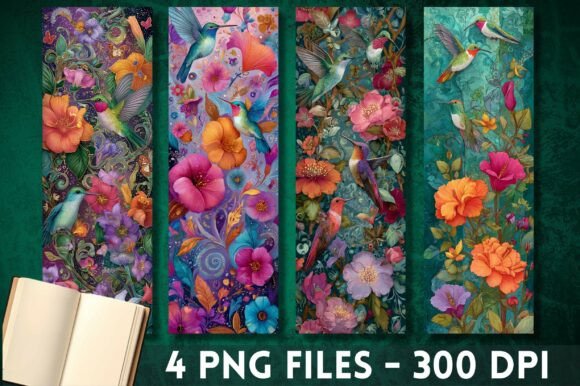
The design has a soft, flowing personality. The hummingbird and floral layout isn’t loud or overly bold; it suggests a quiet, tropical escape. This is a key observation. For embroidery, a design’s mood dictates its best home. This isn’t a design for a tough work apron, but rather for something intimate and personal. I immediately thought of items meant for relaxation or gift-giving: a delicate pillow cover for a reading nook, a decorative kitchen towel, or the focal point on a lightweight tote bag meant for beach days or market runs. The 2” by 6” bookmark format of the PNG files suggests a vertical, elegant flow, which translates beautifully to a vertical orientation on many apparel items.
Where This Design Finds Its Perfect Home
Let’s talk real-life application. Imagine you’re preparing a custom gift—a linen tote bag for a book-loving friend. This embroidery design is a contender. Its dimensions mean it won’t dominate the bag but will act as a sophisticated, handmade accent. Stitched onto the front panel, the hummingbird and flowers would create a narrative of tranquility and nature, elevating a simple bag into a thoughtful, personalized product. Similarly, on a baby item, like a lightweight blanket or a simple cotton romper, this design offers a gentle, non-jarring visual. It’s cheerful without being cartoonish.
For small business merchandise, this design shines on products where detail and artistry are valued. Think of a boutique’s branded tea towels, a set of embroidered pillow covers for an Etsy home decor shop, or even as a delicate element on a high-quality sweatshirt for a lifestyle brand. The detail level in the PNG files—at 300 dpi—promises good clarity for translating into embroidery stitches, provided the machine embroidery file or applique design you create from it manages the finer lines well.
The Commercial Craft: Adding Value to Your Work
Using a design like this isn’t just about stitching; it’s about perceived value. A well-executed Tropical Hummingbird Floral Art Bookmark embroidery on a product increases its giftability and handmade presentation. Customers connect with organic, nature-themed art. It feels timeless and skillful. For an Etsy seller or craft fair vendor, this can help build brand consistency if your niche is botanical, literary, or gift-oriented items. It engages buyers looking for something beyond generic graphics.
Navigating the Practical Stitching Considerations
Now, the crucial part: how does this design perform in the hoop? The provided PNGs are graphics, not direct embroidery files, so your first step is conversion or use as a template for creating an embroidery file. The 600px by 1800px size gives you a clear guide. However, the detail inherent in floral art and a small hummingbird requires attention.
On curved surfaces like caps, the elongated shape might need adaptation. On textured or stretchy fabrics like some sweatshirt materials, the finer details—think tiny flower petals or the hummingbird’s beak—could lose clarity without proper stabilizer and careful stitch density management. Dark fabric backgrounds demand thoughtful thread color contrast. You wouldn’t want the delicate lines to vanish. This design likely thrives on light, stable fabrics where satin stitch and fill stitch areas can be cleanly defined.
For small hoop sizes, the entire 6-inch height might be a challenge, so consider scaling or selecting a central portion if your machine or project limits size. Always, always test on scrap fabric first. Run a sample to inspect small details, check for any overly dense stitch areas that could pucker thin fabric, and see how it looks in a simple black and white mockup to judge form without color distraction.
Where to Use With Extra Care
Some projects require a careful hand. Layered garments with pockets or seams might interrupt the design’s flow. Products destined for frequent washing, like kitchen towels or baby clothes, need robust stitching—ensure your stitch choices and stabilizer are durable. The design’s decorative accents are beautiful, but on very small items, they might become too busy. For a clean result on something like a cap, you might focus on just the hummingbird element. Remember, these are graphics; your skill in translating them into a functional embroidery file determines the final outcome.
A Note on Licensing and Final Products
A key point for commercial embroidery and digital product sellers: the description lists use for marketing, gifts, and your library. It does not explicitly state licensing terms for reselling the finished embroidered product or the converted design file. Before you stitch this onto fifty tote bags for your small shop product line or offer it as a digital embroidery file in your own store, confirm the licensing. This is a fundamental step for professionalism and customer trust.
The Designer’s Bottom Line
The Tropical Hummingbird Floral Art Bookmark is a strong design asset for specific niches. It carries a visual personality that is elegant and soothing. In practical embroidery work, it will excel on light-colored, stable fabrics where its details can be preserved—think custom apparel like blouses, home decor items, and personalized gifts. It adds significant aesthetic value to finished products aimed at readers, nature lovers, and those appreciating handmade artistry.
My final advice is to embrace it for projects where mood matters. Use it to create an embroidered patch for a journal cover, a delicate accent on a holiday gift apron, or a centerpiece on a pillow for a boutique. But ground your excitement in practical steps: test, check contrast, review your stitch density, and confirm your commercial rights. Then, let this tropical escape take flight in your next embroidery project.