Snowy Pine Bluebird Pinecone Bookmark: A Designer's Review
As someone who stitches daily for clients and my own shop, I approach every new design with a practical eye. The first question isn't just “is it pretty?” but “will it embroider well, and where does it truly belong?” Let’s walk through the Snowy Pine Bluebird Pinecone Bookmark from that perspective.
First Glance: The Mood and Personality of this Design
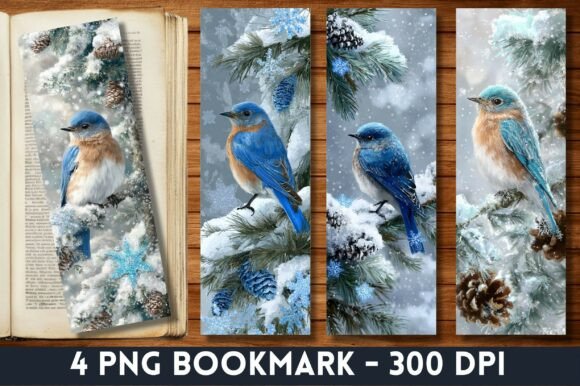
Opening the files, the immediate impression is one of serene, winter-themed craftsmanship. The composition—a pinecone, a perched bluebird, and snowy pine branches—creates a quiet, literary atmosphere perfect for a bookmark’s intended use. The layout is tall and narrow, naturally honoring the 2″ by 6″ dimensions, which is a thoughtful touch from the designer. The detail level in the PNG previews suggests a design built with clear outlines, which is excellent news for stitch clarity. This isn’t a chaotic, over-packed graphic; it has a gentle, illustrative personality that feels giftable and timeless.
Where This Embroidery Design Naturally Belongs
Given its name and shape, the obvious primary project is, of course, an embroidered bookmark. Imagine stitching this onto a linen bookmark for a holiday gift hamper. But its application extends far beyond paper companions. The vertical format and natural theme make it a superb candidate for a tote bag side panel, the cuff of a cozy sweatshirt, or a decorative strip on a kitchen towel. I’m picturing it stitched onto the pocket of a child’s apron for a charming boutique product. The scene, while detailed, isn’t overly wide, making it suitable for smaller hoop sizes on items like caps, though careful placement on curved surfaces would be needed.
A Real Project Scenario: Crafting a Holiday Gift Tote
Let’s get specific. A client requests a custom tote bag as a Christmas gift for a book-loving friend. The Snowy Pine Bluebird Pinecone Bookmark design comes to mind. I’d choose a sturdy, natural-colored canvas. The design’s length allows it to run vertically along the bag’s side, creating a sophisticated, handmade presentation rather than a centered, generic logo. The pinecone and bird elements would likely use fill stitches for substance, while the pine needles could be rendered with clever running stitches or satin outlines. The finished product feels personal, thematic, and high-value—exactly what a small shop owner wants for their Etsy listings or craft fair offerings.
Performance in Real-World Embroidery Situations
For machine embroidery, the provided 300 DPI PNG files offer a clean template. The success hinges on the digitizer’s skill in translating this graphic. On custom apparel like t-shirts or baby clothes, I’d be mindful of the stitch density, especially in the pinecone’s potentially dense areas. On thinner or stretchy fabrics, a solid stabilizer is non-negotiable to preserve those fine details. For a patch, this design would be stunning, but the small lettering or intricate corners of the bird’s feet would require a test run on scrap fabric first to ensure they don’t become a muddy blob of thread.
The design’s color palette—blues, greens, browns, and whites—promises good contrast on both light and dark backgrounds. However, embroidering it on a dark fabric would require careful thread color selection to keep the snowy pine elements visible and bright. It would shine on holiday embroidery projects like pillow covers or tea towels, adding a wintery touch without being overtly Christmas-centric. For commercial embroidery projects, such as a series of branded aprons for a boutique, this design offers consistent, recognizable artwork that builds brand consistency.
Where to Exercise a Bit of Caution
This is a design with some fine lines and small elements. On very textured fabrics, like a heavy sweater, some of the delicate pine needle details might get lost. Similarly, if you’re considering it for a small item like a cap, the 6-inch height means you need to check your machine’s hoop capability and how the design accommodates the curve. I wouldn’t recommend it for items subject to extremely frequent, harsh washing, like some baby clothes, unless you use robust threads and securely lock all stitches. The design’s appeal is in its clarity; if that wears down quickly, the product’s customer trust and perceived value diminish.
The Impact on Your Product's Appeal and Business
Using a design like this elevates a simple product. An embroidered tote bag with this scene isn’t just a bag; it’s a personalized gift for a gardener, a reader, or a nature lover. That specificity boosts buyer engagement. For a craft business, offering a range of products (bookmarks, towels, patches) featuring the same cohesive design creates a compelling collection. The handmade presentation feels professional and deliberate, not random. Its giftability is high—it tells a quiet story, which people appreciate in wedding gifts or holiday gifts.
Practical Designer Notes Before You Stitch
- Always test the design on scrap fabric that matches your final project’s material. This reveals how the details translate into stitches.
- Check the thread color contrast against your final fabric in both digital mockups and physical swatches. A white pine branch on a cream fabric might need adjustment.
- Review the stitch density in your digitized file. Are the pinecone areas too dense for your chosen fabric? Could they cause puckering?
- Confirm your hoop size can accommodate the 6-inch height if you’re embroidering it in one pass.
- Inspect the small details like the bird’s features and pinecone scales. Will they be clear after stitching?
- Use proper stabilizer for the fabric type. This is critical for maintaining the design’s integrity.
- Since the source is a PNG graphic file for the Crafts and Graphics category, ensure you have clarified the licensing terms if you plan to use it for commercial embroidery or selling finished items. Never assume.
Final Thoughts for Makers and Entrepreneurs
The Snowy Pine Bluebird Pinecone Bookmark design is more than a digital asset; it’s a template for creating products with a quiet, narrative charm. Its strength is its focused theme and clean layout, which translate well into various embroidered objects. Your job as the maker is to match it with the right fabric, the right project, and the right stitching plan. In a market filled with generic motifs, a design with this kind of specific, illustrated personality can become a signature item for your shop, a beloved gift for your customers, and a genuinely enjoyable project for your hoop. Just remember the practical steps: test, check, and confirm. Then, stitch with confidence.